Fire Damage Restoration Atwood
Atwood Industrial Park Fire Damage Restoration

Fire Damage Restoration in Atwood Industrial Park, California

Fire Damage Restoration in Atwood Industrial Park is built for a district where large-span warehouses, foundry buildings, and 24/7 logistics operations sit blocks apart. When a kitchen fire hits a breakroom or a grease fire chars a loading dock, our team handles soot removal, smoke odor, and structural repair from Warehouse Row to the Tech Park Campus. We work fast because industrial fires rarely stay contained.

24/7
Emergency response
480+
Industrial park jobs completed
winter electrical-fire season
Right now in Atwood Industrial Park

About this area

Fire Damage Restoration in Atwood Industrial Park, done by a local crew

Why we work in Atwood Industrial Park

We work Atwood Industrial Park because the demand here is different from anywhere else in the region. Industrial fires involve flammable storage, heavy equipment, and tenants who cannot afford a two-week shutdown. A single sprinkler activation after a small fire can soak 20,000 square feet of inventory. We built our schedule around that reality: crews available after hours, equipment staged for large-span buildings, and documentation that satisfies both the property insurer and the industrial fire code inspector. The mix of warehouse, foundry, and tech-park tenants also means we see the full range of fire damage, from electrical fire cleanup in a server room to hoarding cleanup after fire in an older storage unit.

Warehouse, apartment, and commercial fire cleanup across the industrial park

Atwood Industrial Park is not a residential neighborhood with a few warehouses tucked at the edge. It is a working district of large-span warehouse structures, foundry buildings, and 24/7 operations where a single electrical fault can take out a production line. Fire Damage Restoration in Atwood Industrial Park has to account for high-hazard occupancy with flammable storage, heavy equipment access, and industrial fire code requirements that shape how we set up containment and how we document the job. We serve Warehouse Row, the Logistics Zone, the Foundry District, and the Tech Park Campus, plus the Yards and Distribution Center areas. Most of our calls here are commercial fire restoration, but we also handle apartment fire cleanup and tenant fire damage cleanup in the smaller residential pockets that sit between the industrial parcels. Our technicians carry thermal imaging cameras to find hot spots inside wall cavities, HEPA vacuums for fine soot, and air scrubbers to keep smoke particles from migrating into adjacent tenant spaces. Whether it is a midnight electrical fire at a Distribution Rail Spur tenant or a weekend kitchen fire in a breakroom near Logistics Hub 5, we treat every job like the building is still in use and needs to be back online.
Services available

Fire Damage Restoration services available in Atwood Industrial Park

If you have been searching for Fire Damage Restoration near me Atwood Industrial Park California, this is the list of what we actually deliver inside the district. Demand here skews commercial, but we handle residential and mixed-use calls the same week. Every service below is available 24/7 across Warehouse Row, the Logistics Zone, the Foundry District, the Tech Park Campus, the Distribution Center, and the Yards.

How we work locally

How Fire Damage Restoration is executed in Atwood Industrial Park

Challenge: Large-span warehouse structures with smoke travel across 40+ feet

Smoke from a small fire can reach inventory racks and mezzanines far from the source. Standard residential air scrubbers are undersized for the volume, and odor can linger in racking for weeks if the space is not treated properly.

Solution: We bring commercial-grade air scrubbers and negative air machines sized for the cubic footage, then map the smoke path with thermal imaging cameras before we start cleaning. Racking, mezzanines, and roof decking all get treated, not just the floor-level surfaces near the fire.

Challenge: High-hazard occupancy with flammable storage on site

Warehouses and foundries in the district store solvents, pallets, and other flammable materials. That makes fires burn hotter and faster, and it means the cleanup has to account for residue that may still be reactive after the fire is out.

Solution: We coordinate with the fire department and the property manager before entry, then isolate the affected area with containment. We remove damaged flammable stock first, ventilate, and only then begin soot removal and structural assessment. Safety on the front end prevents a second incident.

Where we work

Warehouse RowLogistics ZoneFoundry DistrictTech Park CampusDistribution CenterYards

Service area

Atwood Industrial Park

Latitude: 33.8658

Extract Directions

Case files

Recent project: 1

Warehouse Row

Challenge

An overnight electrical fire in a 12,000-square-foot warehouse unit in Warehouse Row melted a panel and scorched the surrounding wall assembly. Sprinklers ran for 20 minutes before the fire department arrived.

Execution

We boarded up the damaged section, extracted standing water, and set up air scrubbers and negative air machines to contain smoke. Using a thermal imaging camera, we mapped soot travel across the racking and cleaned every affected surface with HEPA vacuums and dry-chemical sponges. We replaced the damaged drywall, rebuilt the fire-rated assembly, and treated the space with hydroxyl generators for odor.

Impact

The tenant was back to partial operations in 3 days and full operations in 9. Final moisture readings were within normal range, and the carrier approved the scope without a supplement.

Recent project: 2

Logistics Zone

Challenge

A kitchen fire in a breakroom at a Logistics Hub 5 tenant spread grease residue through the HVAC system and into an adjacent office suite. The tenant needed the office back online within a week.

Execution

We isolated the breakroom, removed charred cabinetry, and cleaned grease residue from walls, ceilings, and hood surfaces. We replaced HVAC filters, treated the ductwork with thermal fogging solution, and placed charcoal odor absorbers in the office suite. The office suite was cleaned and treated in parallel so the tenant could keep working in the warehouse.

Impact

The office suite passed a post-remediation odor check in 5 days. The tenant reopened the office on schedule, and the property manager used our documentation for the insurance claim.

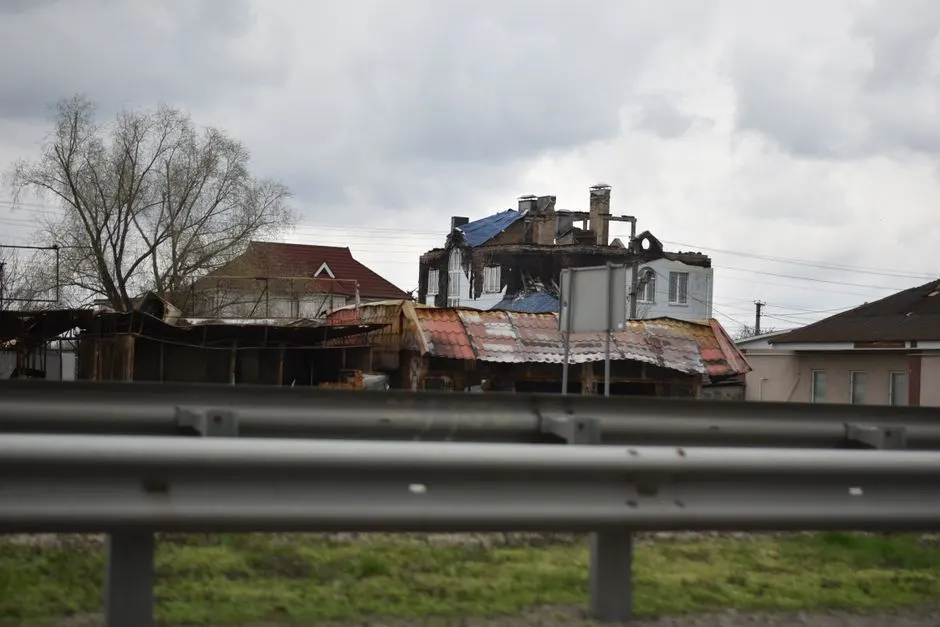
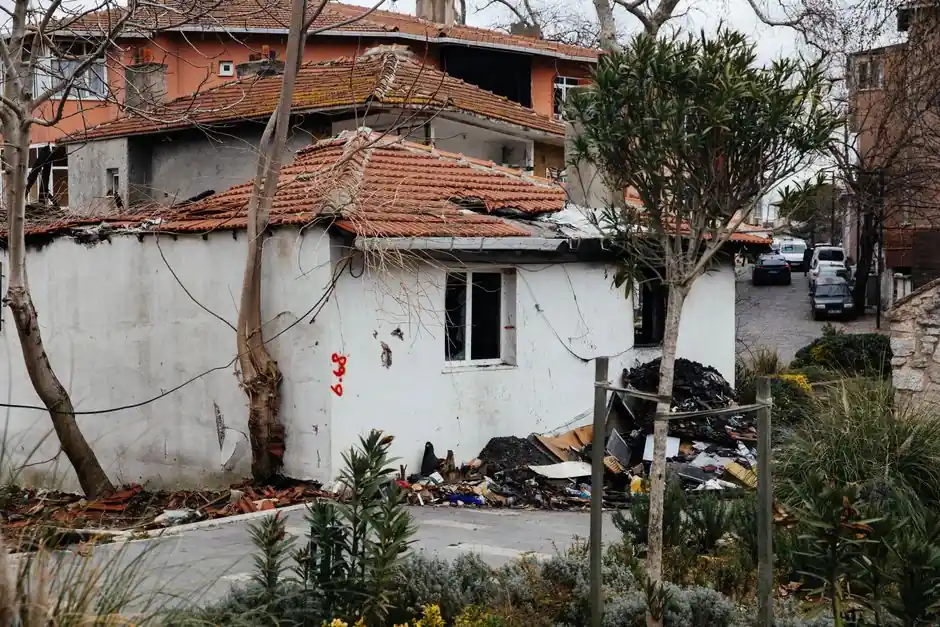
An abandoned house with a damaged roof and debris in an urban neighborhood setting.
Our track record
Our track record

Field evidence from Atwood Industrial Park jobs

What the work looks like on paper

Since opening in 2026, our crews have completed more than 480 fire damage jobs inside Atwood Industrial Park, ranging from a 200-square-foot breakroom kitchen fire near Logistics Hub 5 to a 40,000-square-foot warehouse loss in the Distribution Center. The most common call is a commercial fire with water damage from sprinklers, and the second most common is electrical fire cleanup in the Tech Park Campus. On average, we have the first crew on site within 60 minutes of the call inside the district. We document every job with photos, moisture readings, and a line-item scope so the property manager and the carrier are working from the same page. That documentation is what keeps a claim moving instead of stalling.

480+
Industrial park jobs completed

Local questions

How much does Fire Damage Restoration cost in Atwood Industrial Park California?

Most small fires in Atwood Industrial Park run $2,500 to $8,000, while warehouse and foundry losses with sprinkler water and structural repair can run $40,000 to $250,000 or more. The biggest cost drivers are square footage, residue type, and whether fire-rated assemblies need rebuilding. We provide a line-item estimate before work begins so you can compare scopes accurately.

Who is the best Fire Damage Restoration near Atwood Industrial Park?

The best crew for your job is the one that has actually worked in the district, carries the right certifications, and can show you documentation from past jobs. We opened in 2026 to serve Atwood Industrial Park specifically, and we have completed more than 480 fire damage jobs here. Ask any contractor for references inside the park before you hire.

Is there 24/7 Fire Damage Restoration in Atwood Industrial Park?

Yes. We answer the phone 24/7 and have crews available every day of the year, including holidays. The district's 24/7 operations mean after-hours fires are common, so we keep equipment staged nearby. Typical first-crew arrival inside Atwood Industrial Park is under 60 minutes from the call.

Licensed and insured

Licensed, insured, and compliant in Atwood Industrial Park

Fire damage work in Atwood Industrial Park touches fire-rated assemblies, electrical systems, and industrial occupancies, so licensing and certification matter. We carry a California Contractors State License Board (CSLB) license and operate as an EPA Lead-Safe Certified Firm, which is required for any work that disturbs painted surfaces in older buildings. Our technicians hold IICRC Fire and Smoke Damage Restoration (FSRT) and IICRC Water Damage Restoration (WRT) certifications, and we follow ANSI/IICRC S500 and S700 standards on every job. We also carry general liability and workers' compensation insurance. If you need a certificate of insurance for your property manager or carrier, we can provide it before work begins.

California Contractors State License Board (CSLB) license
EPA Lead-Safe Certified Firm
IICRC Fire and Smoke Damage Restoration (FSRT) IICRC
When To Call

Signs you need Fire Damage Restoration in Atwood Industrial Park

Not every fire leaves obvious damage. In a warehouse or foundry building, the visible char may be small while the smoke and water damage extend far beyond it. If you are looking for same-day fire damage cleanup in Atwood Industrial Park, these are the signs that mean you should call now rather than wait. The longer residue sits, the more it bonds to surfaces and the harder it is to remove.

1. Smoke odor that returns when the HVAC runs

Smoke particles have settled inside your ductwork and filters. Every time the system cycles, it pushes that odor back into the space. This is one of the most common complaints we hear in the Tech Park Campus and Foundry Business Center, and it will not resolve on its own. Duct cleaning and filter replacement are usually required.

2. Soot staining on walls near electrical panels

Soot around a panel or outlet is a sign of an electrical fire that may still be a hazard. Even if the fire is out, the wiring behind the wall can be compromised. We isolate the circuit, document the failure, and clean the surrounding surfaces before any repair work begins.

3. Warped or discolored drywall after a small fire

Drywall that has warped or discolored usually means heat or water reached the cavity behind it. In fire-rated assemblies, that matters because the rating may be compromised. We open the wall, inspect the framing and insulation, and rebuild to the original rating.

4. Standing water or damp flooring after sprinklers ran

Sprinkler water does not evaporate on its own in a large building. Within 24 to 48 hours, mold growth after fire suppression can start in carpet, drywall, and insulation. Extraction and structural drying need to begin the same day to prevent a second loss.

5. Charred or melted wiring visible in a ceiling or wall

Melted electrical wiring is a sign the fire burned hot enough to damage the circuit itself. Even if the fire is out, the building may not be safe to re-energize. We document the damage for the claim and coordinate with a licensed electrician before power is restored.

Local Problem Patterns

Common Fire Damage Restoration problems in Atwood Industrial Park

The problems we see most often in Atwood Industrial Park come from the district's building stock and its operating patterns. Large-span warehouse structures, high-hazard occupancy with flammable storage, and 24/7 operations all shape what goes wrong and how bad it gets. Add in the district's industrial fire code requirements, and the cleanup has to be done to a standard, not just to look clean. These are the four problems we handle most often here.

Smoke odor lingering in walls and HVAC after a small fire

Why it happens here

In large-span warehouse structures, smoke travels through unsealed penetrations and roof vents before it settles. The visible fire may be contained to one room, but the odor has already spread through the building's air path. Standard cleaning does not reach inside wall cavities or ductwork.

Our approach

We map the smoke path with thermal imaging cameras, seal the openings, and run air scrubbers long enough to bring particle counts down. We replace HVAC filters and treat ductwork with thermal fogging solution. Charcoal odor absorbers go into enclosed rooms to catch what the scrubbers miss.

Water damage from firefighting turning into mold growth

Why it happens here

Sprinklers and hose lines leave standing water in places that are hard to see: under racking, inside wall cavities, and beneath raised floors. In a 24/7 operation, the tenant may not notice the water until mold has already started. Warm inland Southern California temperatures speed that process up.

Our approach

We extract standing water the same day and set up structural drying with moisture meters to track progress. We check under racking, inside cavities, and in any space the water could have reached. Drying is documented daily so the carrier can see the building is actually dry before reconstruction starts.

Charred structural framing that needs engineering review

Why it happens here

Foundry District and Warehouse Row buildings often have older lumber framing and plywood sheathing. When fire chars a load-bearing member, the question is not just cosmetic; it is whether the structure is still safe. Industrial fire code requirements mean the repair has to restore the original capacity.

Our approach

We shore the area before demo, remove the charred material, and coordinate with a licensed structural engineer when a load-bearing member is involved. Repairs use the same material class as the original, and fire-rated assemblies are rebuilt to spec with fire-rated caulk at penetrations.

Melted electrical wiring and damaged panels after an electrical fire

Why it happens here

Electrical fires in the Tech Park Campus and older Foundry District buildings often start at a panel or a junction box. The fire may be small, but the wiring behind the wall is compromised. Re-energizing a damaged circuit can start a second fire.

Our approach

We isolate the circuit, document the failure point following NFPA 921 fire investigation standards, and clean soot from surrounding surfaces. We do not restore power until a licensed electrician has signed off. The documentation we produce supports the insurance claim and any code inspection.

Local Pricing

What Fire Damage Restoration costs in Atwood Industrial Park

Typical 2026 pricing for fire damage restoration in Atwood Industrial Park depends heavily on building size and whether water damage from firefighting is involved. A small breakroom or apartment fire with limited smoke travel usually runs $2,500 to $8,000. A warehouse or foundry loss with sprinkler water, racking cleanup, and structural repair can run $40,000 to $250,000 or more. The biggest cost drivers here are square footage, the type of residue (grease and electrical soot are harder to clean than wood ash), and whether the fire-rated assemblies need to be rebuilt. We provide a line-item estimate before work begins so the property manager and the carrier can see exactly what is included. If you are comparing quotes, ask what is excluded, because the cheapest number is often the one that leaves the most work for someone else.

Availability in Atwood Industrial Park: We answer the phone 24/7 for Atwood Industrial Park calls. Emergency response is available every day of the year, including holidays, because the district's 24/7 operations do not pause. For non-emergency work, we schedule around tenant operating hours so we are not in the way during a shipping window. After-hours and weekend work is available at the same rates as daytime work.

1

Building square footage and ceiling height

Large-span warehouse structures in the Distribution Center and Warehouse Row have far more cubic footage for smoke to fill. Air scrubber count, cleaning labor, and odor treatment scale with volume, not just floor area. A 40,000-square-foot building can cost five to ten times what a 4,000-square-foot unit costs for the same fire severity.

2

Type of residue and fuel source

Grease fire residue from a breakroom kitchen is sticky and travels into ductwork. Electrical fire soot from a panel or wiring is finer and penetrates deeper into porous surfaces. Wood and paper fires leave ash that is easier to remove. The residue type determines how many labor hours and how much chemical treatment the job needs.

3

Water damage from sprinklers and firefighting

A single sprinkler head can release 20 to 30 gallons per minute, and firefighting hose lines add more. Water extraction, structural drying, and mold prevention after fire suppression are often 30 to 50 percent of the total job cost. Buildings with older sprinkler systems tend to have more water damage.

Year-Round Coverage

How seasons affect Fire Damage Restoration in Atwood Industrial Park

Atwood Industrial Park sits inland enough that summer heat and winter electrical load both shape fire risk. Spring and fall are the quieter months, but the district never really stops. If you are searching for affordable Fire Damage Restoration Atwood Industrial Park California, timing matters: off-season scheduling is easier, and emergency response is available year-round regardless of the season.

Spring

Spring is the mildest season for fire risk in the district, but it is also when tenants do maintenance and equipment changeouts. Electrical work during those projects can lead to small fires if a circuit is overloaded. We see a handful of electrical fire cleanup calls each spring in the Tech Park Campus.

Tip

If you are doing spring maintenance on electrical panels or HVAC, have a fire extinguisher within reach and know where the shutoff is. If a small fire happens, call us before you try to clean the soot yourself.

Summer

Summer heat raises the load on HVAC and electrical systems across the district. Warehouse and foundry buildings without adequate ventilation run hotter, and that increases the risk of electrical fires. We also see more outdoor fires in the Yards during summer, often involving pallets or equipment.

Tip

Check HVAC filters and panel cooling in June. If your building has older wiring, have an electrician inspect it before the peak heat. A small investment in prevention beats a summer fire loss.

Fall

Fall is when tenants ramp up production for the end of the year, which means more equipment running and more electrical load. We see an uptick in commercial fire restoration calls in the Distribution Center and Logistics Zone during this period. Smoke odor complaints also rise as buildings close up for cooler weather.

Tip

If you had a small fire earlier in the year and the smell is still there, fall is the time to address it. Closed-up buildings trap odor, and it will be worse in winter. Schedule odor removal before the cold sets in.

Winter

Winter is our busiest season for electrical fire cleanup in Atwood Industrial Park. Holiday shutdowns, space heaters in offices, and older wiring under load all contribute. The district's 24/7 operations keep running through the holidays, so after-hours fires are common. Cold weather also slows structural drying, which extends restoration timelines.

Tip

Keep space heaters away from combustible materials and never run them unattended. If you have a fire over the holidays, call us immediately. We answer 24/7 and can have a crew on site the same night.

Hiring Smart

What to ask before hiring Fire Damage Restoration in Atwood Industrial Park

Not every contractor who answers the phone can handle an industrial-scale fire loss. Some are set up for residential work and will subcontract the heavy parts. Others will quote low and then add supplements once the work is underway. Before you sign anything, ask these five questions. The answers will tell you whether you are dealing with a crew that actually works in Atwood Industrial Park or one that is passing through.

  1. 1

    "Have you worked on buildings inside Atwood Industrial Park before?"

    Why it matters

    The district has specific access limits, industrial fire code requirements, and building types that a general contractor may not know. A crew that has worked here knows how to stage equipment, how to phase work around tenant operations, and what the local inspector expects. Ask for examples.

  2. 2

    "Who is doing the work, your employees or subcontractors?"

    Why it matters

    The company that sells you the job is not always the company that shows up. If the heavy lifting is subcontracted, quality and scheduling can slip. Ask who will be on site, whether they are employees, and what certifications they hold. IICRC FSRT and WRT are the baseline for fire and water work.

  3. 3

    "How will you document the job for my insurance carrier?"

    Why it matters

    A carrier will not pay for work it cannot see. Photos, moisture readings, a line-item scope, and daily progress notes are what keep a claim moving. If the contractor cannot describe their documentation process, expect delays and supplements. Ask to see a sample report.

  4. 4

    "What is your process for preventing mold after the water damage?"

    Why it matters

    Sprinkler water and firefighting hose lines leave more moisture than most people realize. If the contractor does not have a drying plan with moisture meters and daily readings, mold growth after fire suppression is likely. Ask how they verify the building is dry before reconstruction.

  5. 5

    "What is included in the estimate, and what is not?"

    Why it matters

    The cheapest quote is often the one with the most exclusions. Ask specifically about board-up, water extraction, soot removal, duct cleaning, odor treatment, and structural repair. A complete scope up front is easier to compare and less likely to grow once work begins.

Knowing the Area

Landmarks we use to navigate Atwood Industrial Park

Atwood Industrial Park does not have street names that mean much to someone who has never worked here. We orient by landmarks: the Atwood Industrial Park HQ building, Logistics Hub 5, the Foundry Business Center, the Tech Park Campus, and the Distribution Rail Spur. Those five points cover most of the district, and they are how we give directions to a new crew or confirm an address with a property manager on the phone. When you call, we will ask which landmark you are closest to, because that is faster than a street address inside the park.

Landmarks

  • Atwood Industrial Park HQ

    The HQ building is the central reference point for the district. Property managers and tenants use it as a meeting spot, and we use it to orient crews arriving from outside the park. Most of our dispatch notes reference it.

  • Logistics Hub 5

    Logistics Hub 5 is one of the busiest 24/7 operations in the district. Fires here are usually after-hours and often involve loading equipment or breakroom kitchens. We keep a copy of the site's access plan on file.

  • Distribution Rail Spur

    The rail spur marks the eastern edge of the industrial core. Buildings along the spur have rail-side loading that limits truck access, so we plan equipment staging around the rail corridor before we roll.

Commercial Districts

  • Foundry Business Center

    The Foundry Business Center houses a mix of light industrial and office tenants. Fire damage here is usually contained to one unit, but smoke can migrate through shared HVAC. We treat the source unit and inspect every adjacent suite before we close the job.

  • Tech Park Campus

    The Tech Park Campus is the district's office and lab hub. Electrical fire cleanup and smoke remediation are the most common calls. Tenants here often need post-remediation air testing and a written clearance before staff return to work.

Transport & Access

  • Distribution Rail Spur

    The rail spur limits truck access along its corridor, so we stage equipment at the nearest cross-street and shuttle in with smaller vehicles when needed.

  • Atwood Industrial Park main arterial road

    The main arterial road runs the length of the district and gives us direct access to Warehouse Row, the Logistics Zone, and the Distribution Center without cutting through residential streets.

!

Need Fire Damage Restoration in Atwood Industrial Park now?

If your building in Atwood Industrial Park has fire, smoke, or water damage from firefighting, call us now. We answer 24/7 and can have a crew on site inside the district within the hour. We handle everything from board-up and water extraction through soot removal, odor treatment, and structural repair. One call, one scope, one point of contact. If you are comparing contractors, we will give you a straight answer about what your job needs and what it will cost.

Call now
Call Now: (833) 929-6186